

Understanding Stainless Steel Honeycomb Panels
Definition
Stainless steel honeycomb panels are composite materials consisting of two metal sheets bonded to an aluminum honeycomb core. The face side is a stainless steel sheet, while the bottom side can be made of stainless steel, aluminum, or galvanized steel sheet. However, due to cost considerations and strength requirements, the preferred material for the backside sheet is galvanized steel.


Dimensions
The dimensions of stainless steel honeycomb panels typically involve three layers: front-side stainless steel sheets, a middle aluminum core (honeycomb structure), and backside galvanized sheet. The thicknesses of these layers play a crucial role in determining the overall performance of the panel. For example, thicker stainless steel sheets enhance durability while a thicker aluminum core provides better structural support.
| Panel Width | 1000mm, 1100mm or customized width |
| Panel Length | 2000mm, 3000mm, 4000mm, or customized length |
| Front Sheet Thickness | 0.5mm, 0.7mm, 0.8mm, 1mm or customized thickness |
| AL Honeycomb Core Height | 10mm, 15mm, 20mm, 25mm, 30mm, 40mm, 50mm |
| Backside Sheet Thickness | 0.5mm, 0.7mm, 0.8mm, 1mm or customized thickness |
| Stainless Steel Sheet Patterns | Mirror, Brushed, Embossed, Stamped, Vibration, Sandblasted, Colored, Etched |
| Stainless Steel Grade | 304 or 316L |
| Protective Film | Two Layers of 70 Micron Laser PVC Film |
Moreover, these panels come in various sizes depending on their specific application requirements. Whether it’s for architectural cladding or interior design elements like ceiling panels; each dimension variation serves different purposes catering to diverse industry needs.
Production process
Front and Back Sheet Formation
The production of stainless steel honeycomb panels begins with creating four-side folded structures using stainless steel sheets for the front side and galvanized steel sheets for the back side. These sheets are carefully molded into a box shape to ensure they can effectively encase the aluminum honeycomb core.
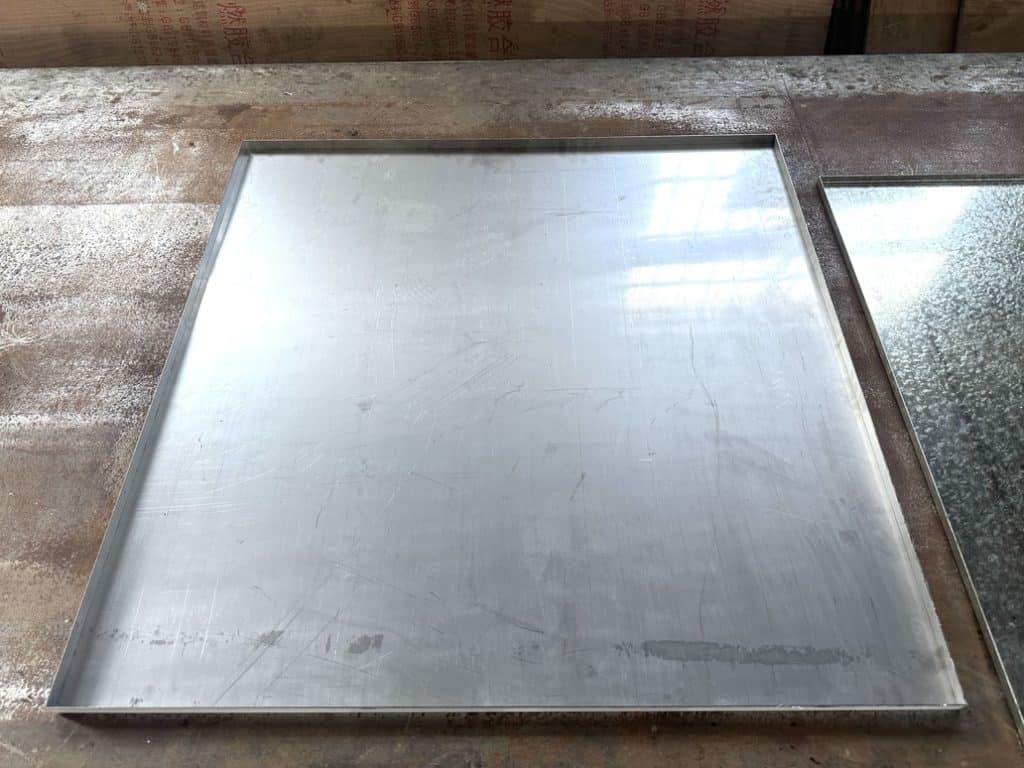
To begin, an adhesive layer is applied to both the face and base sheets. This adhesive layer plays a crucial role in ensuring that the stainless steel box firmly adheres to the aluminum honeycomb core, providing structural integrity and stability to the panel.

Core Insertion and Pressing
Once the adhesive has been applied, it’s time to insert the aluminum honeycomb core into the stainless steel box. The core is then covered with a galvanized steel box, completing the encapsulation process. This step ensures that all elements of the panel are securely held together, forming a cohesive unit ready for further processing.


After assembly, machine gravity is utilized to apply pressure on these components for at least 12 hours. This pressing process helps bond all layers together while also eliminating any air pockets or gaps within the panel structure. The resulting product is a robust and durable stainless steel honeycomb panel, ready for various applications ranging from architectural projects to aerospace engineering.
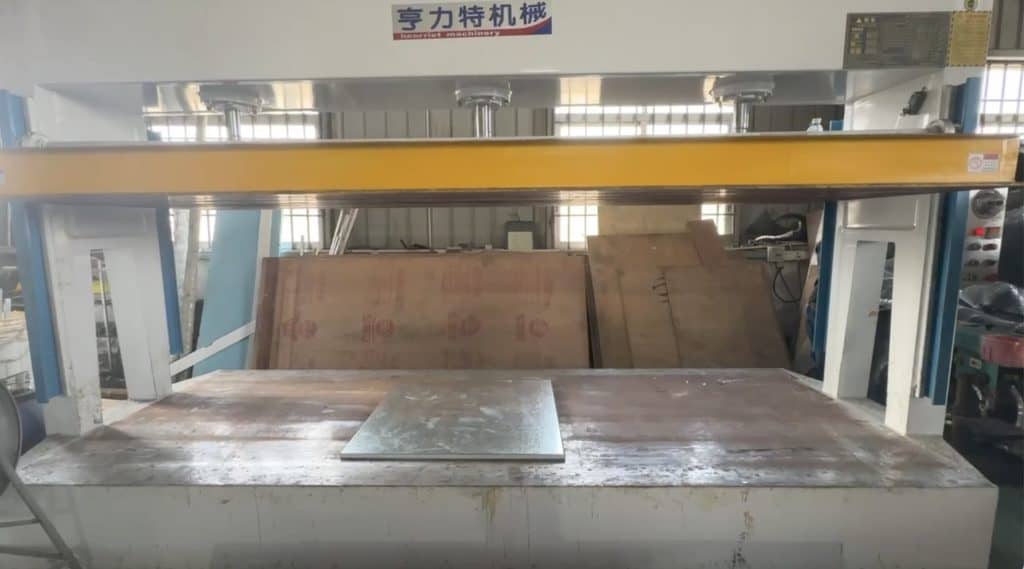
If you are concerned about whether two panels can be securely fastened using constructional glue, a peel strength test report is provided here.

Diverse Colors & Patterns in Stainless Steel Honeycomb Panels
Stainless steel honeycomb panels are available in a variety of diverse colors and patterns to suit different design preferences and architectural needs. From mirror polished to etched finishes, each option offers a unique aesthetic appeal for various applications.
Mirror-Polished
The mirror polished stainless steel honeycomb panel features a highly reflective surface, adding a touch of sophistication and modernity to interior designs. This finish is ideal for creating sleek, contemporary spaces in commercial buildings or luxury residences.


Brushed
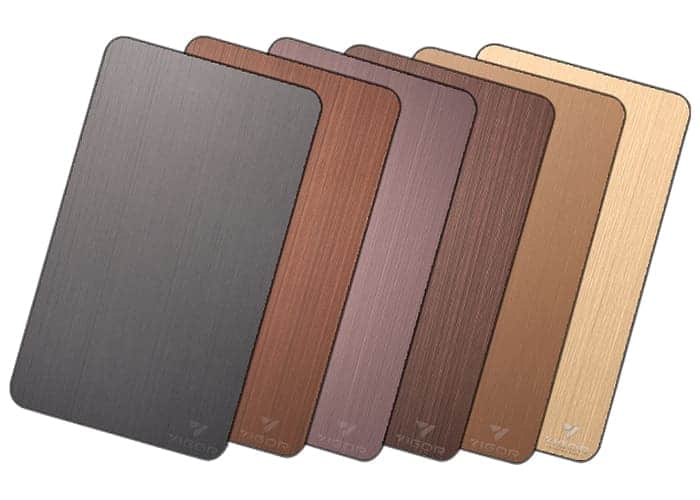
The brushed finish mainly include hairline and satin, providing a subtle texture with straight long lines or short lines, offering an understated yet elegant look that complements both traditional and modern settings. Vibration is another type of brushing, creating a “vibrated“ finish.


Sandblasted
Sandblasting creates a gentle look on each sheet, which helps to scatter light in a stunning manner. The sandblasted stainless steel honeycomb panel presents a matte surface with fine grains for an organic feel that suits nature-inspired themes.

Textured
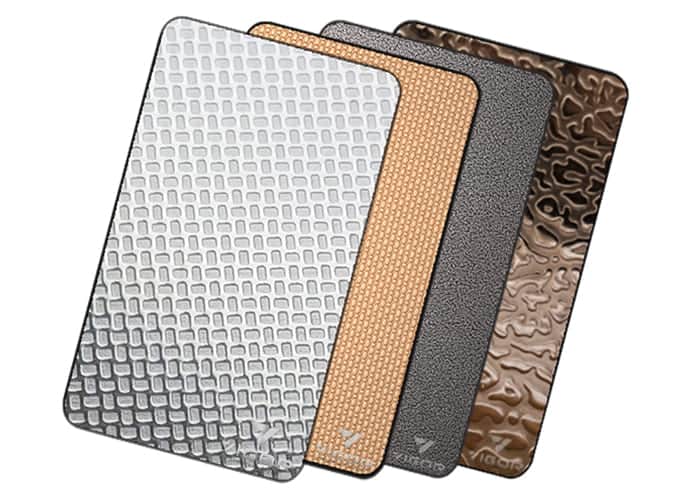
For those who want a unique look, the water ripple, embossed, and etched finishes offer interesting textures that can enhance interior design.


The water ripple design imitates gentle water waves, with small, medium, and large ripple sizes. Embossing creates raised patterns on the sheets, such as linen, leather, sand grain, wood grain, fabric grain, round bead, and square bead. With the etching process, we can replicate any pattern on the stainless steel sheets if provided in pictures or files.
Stainless steel honeycomb panel VS stainless steel sheet
More Aesthetic
When you want to make tough construction panels, you often choose stainless steel sheets that are 3-5mm thick. The issue is, they become too heavy and it’s tough to make them look good if they’re thicker than 2mm. This is because PVD coloring can only be done on a maximum thickness of 2mm, and the original finish of a thickness more than 3mm won’t be as smooth as 2B finish. So, trying to polish the surface won’t work out well.
To solve this issue, Vigorss utilizes aluminum honeycomb core in the middle to provide support for two thin metal sheets, allowing for a variety of stainless steel colors and patterns on the face side of the honeycomb panels.

Weight Saving
Stainless steel honeycomb panels are lightweight yet incredibly strong, making them an ideal choice for various applications. The honeycomb structure provides exceptional strength while keeping the overall weight low. In contrast, traditional stainless steel sheets are heavier and may not offer the same level of durability as thicker honeycomb panels.
| Panel Type | Thickness (mm) | Weight (kg/m²) | Structure |
|---|---|---|---|
| Stainless Steel Honeycomb | 10 | 16.78 | 0.8mm stainless steel face + 0.8mm galvanized steel back |
| Solid Stainless Steel | 4 | 31.72 | Single solid stainless steel sheet |
Key Points:
- Honeycomb panel is 10mm thick but much lighter.
- Solid panel is 4mm thick but almost twice as heavy.
- Honeycomb structure offers strength with less weight.
- Ideal for aerospace and marine industries where weight matters.
Easy Installation
We generally recommend customers to choose cost-effective honeycomb panels with a thickness of 15-20mm for wall and ceiling applications. (Thicker panels can be chosen for special requirements).
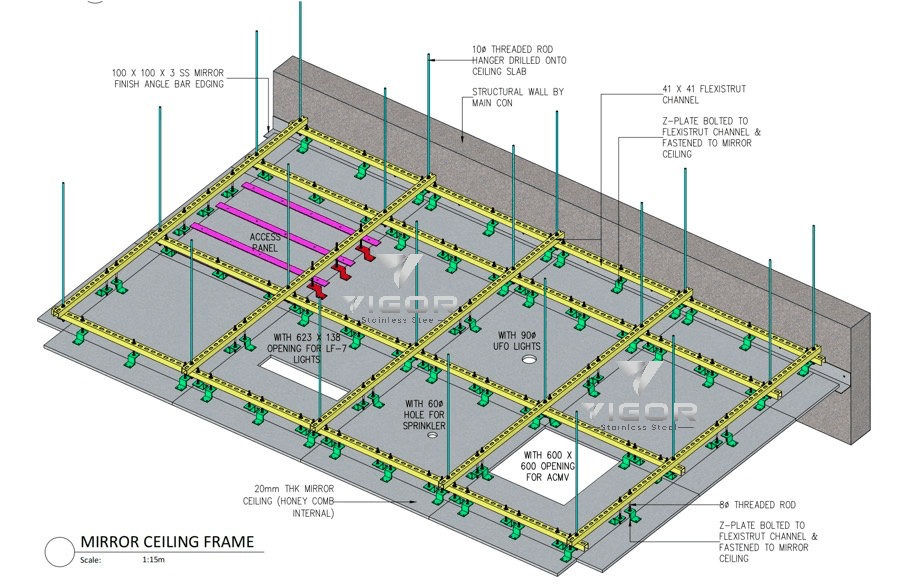
1. Installing honeycomb panels is easy – you just need to fix the accessories on the back. For ceilings, you connect them to the ceiling keel using suspension rods, and for wall panels, you use wall accessories. Stainless steel sheets generally need to be bent first before installation.

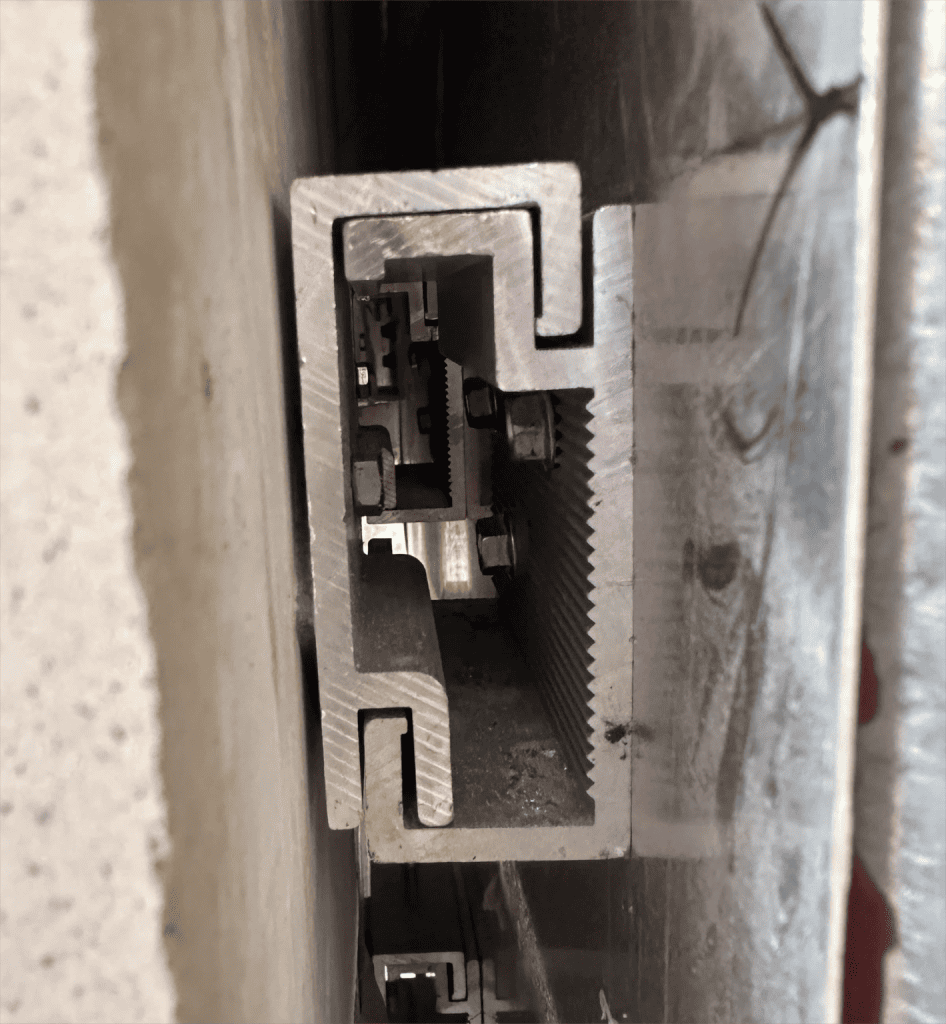
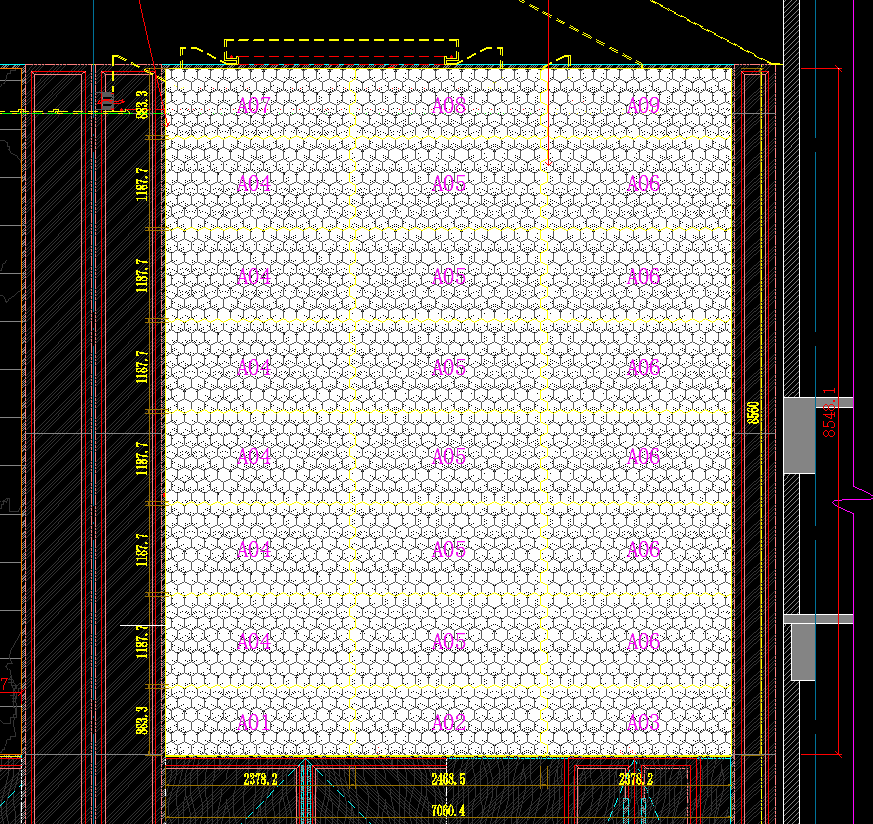
2. Stainless steel honeycomb panels are really even and smooth, especially when they’re used for ceilings. The stainless steel sheets are thinner, which can make it hard to line up the horizontal lines with the other sheets.
Contact Vigorss team for more details now!

Good Sound Insulation
Thicker stainless steel honeycomb panels offer better sound insulation than solid stainless steel sheets. If your projects need to meet strict rules for sound insulation, then composite honeycomb panels are the way to go.
Fire Resistance
The stainless steel honeycomb panel is rated FR A1 grade according to the EN13501-1 standard, making it perfect for building facades, interiors, and ceilings. When used in construction or interior design, these panels provide an added layer of safety due to their ability to withstand high temperatures without compromising structural integrity.
Stainless steel honeycomb panel VS aluminum honeycomb panel
So, our stainless steel honeycomb panels are made up of one stainless steel sheet, one galvanized steel sheet, and an aluminum honeycomb core. But how does that compare to aluminum honeycomb panels that have two aluminum sheets and an aluminum honeycomb core?
Durability
We all know that stainless steel is heavier than aluminum. But when it comes to strength, stainless steel outperforms aluminum, especially in similar shapes, thicknesses, and designs.
Heat Resistance
Stainless steel can handle higher temperatures compared to aluminum which tends to get really soft at around 400 degrees Fahrenheit.
Cost
Stainless steel honeycomb panels are the best choice for strong curtain wall or interior wall cladding. While aluminum may be cheaper than stainless steel, if your projects require a sturdy material, then stainless steel totally worths it for making sure your walls stay tough and sturdy. Contact Vigorss team for the pricing now!
Versatile Applications of Stainless Steel Honeycomb Panels
Stainless steel honeycomb panels are incredibly versatile, finding applications across various sectors due to their unique combination of strength, durability, and aesthetic appeal. Here are some of the most common uses:
- Architectural Facades: These panels are ideal for creating striking and durable exteriors for buildings. They withstand environmental factors like wind, rain, and temperature fluctuations, while offering a sleek, modern look.
- Interior Design and Wall Cladding: In interior spaces, stainless steel honeycomb panels provide a contemporary and sophisticated look. They are used for decorative wall cladding, elevators, and high-end office interiors due to their elegant finish and ease of maintenance.
- Ceiling Panels: Their lightweight yet strong nature makes these panels perfect for ceiling applications, especially in large, open spaces like airports, museums, and shopping centers. They add an architectural interest without burdening the structural integrity of the building.
- Acoustic Panels: Stainless steel honeycomb panels are great for improving sound quality in places like concert halls, theaters, and conference rooms. They can help absorb and reflect sound in a way that makes the audio sound better.


Closing Thoughts
You’ve now grasped the versatility and durability of stainless steel honeycomb panels, from their production process to their diverse colors and patterns. You’ve also seen how they compare to stainless steel sheets and aluminum honeycomb panels, as well as their wide-ranging applications. These panels are more than just construction materials; they’re like the chameleons of the building world, seamlessly blending strength with aesthetic appeal.
So, whether you’re an architect seeking innovative design solutions or a homeowner looking to revamp your space, consider the stainless steel honeycomb panel as your go-to option. Its adaptability and robustness make it a standout choice for a wide array of projects. Embrace the future of construction materials with stainless steel honeycomb panels!
Contact us today for free samples today! Please feel free to reach out to us at [email protected] or call us at 0086-13715484114.
Frequently Asked Questions
1. What are stainless steel honeycomb panels?
Stainless steel honeycomb panels are composite panels made of a stainless steel front sheet, an aluminum honeycomb core, and a galvanized (or sometimes stainless/aluminum) back sheet. The three layers are bonded together to create a panel that is very flat, strong, and impact-resistant, while still much lighter than a solid metal plate of the same overall thickness.
2. What are the typical dimensions and thickness options?
Common ranges are:
- Panel width: 1000 mm, 1100 mm, or customized
- Panel length: 2000 / 3000 / 4000 mm, or customized
- Front stainless sheet: 0.5 / 0.7 / 0.8 / 1.0 mm
- Aluminum honeycomb core height: 10 / 15 / 20 / 25 / 30 / 40 / 50 mm
- Back sheet: 0.5–1.0 mm galvanized steel (or customized)
Total panel thickness is usually 10–50 mm, depending on design and structural needs.
3. Which stainless steel grades and finishes are available?
The face sheet is normally 304 or 316L stainless steel. Popular finishes include mirror, brushed (hairline / satin), vibration, sandblasted (matte), embossed, stamped, etched, and PVD-colored surfaces. This allows you to match different project styles, from minimalist matte interiors to highly reflective feature walls and ceilings.
4. How are stainless steel honeycomb panels manufactured?
The main steps are:
- Four-side folding: stainless front sheet and galvanized back sheet are folded on all sides to form shallow “boxes”.
- Adhesive application: structural adhesive is applied to the inside of both boxes.
- Core insertion: aluminum honeycomb core is placed inside the stainless box.
- Pressing: the back box is closed over the core and the whole panel is hot-pressed or cold-pressed until the adhesive cures, forming one solid, integrated panel.
5. Why choose honeycomb panels instead of solid stainless steel sheets?
Compared with solid sheets of similar stiffness, honeycomb panels:
- Are much lighter, so they’re easier to transport and install.
- Offer better flatness on large spans (less “oil canning” or waviness).
- Provide improved sound and thermal performance thanks to the core.
For big ceilings, high walls, and large feature panels, honeycomb is often more practical and cost-effective over the whole project life.
6. How do stainless steel honeycomb panels compare with aluminum honeycomb panels?
Both use an aluminum core, but:
- Stainless honeycomb panels have a stainless front sheet, which is harder, more scratch-resistant, and offers richer finishes (mirror, water ripple, deep patterns).
- Aluminum honeycomb panels are lighter and often cheaper, but softer and easier to dent.
Stainless honeycomb panels are usually chosen when you need a high-end look, better durability, and stronger surface hardness.
7. What are the main applications of stainless steel honeycomb panels?
Typical uses include:
- Ceilings: large hotel lobbies, shopping malls, airports, and corridors.
- Wall cladding: interior feature walls, lift lobbies, and exterior facades.
- Columns: column covers that feel “solid” and stay flat from floor to ceiling.
- Doors and furniture: large doors, cabinet fronts, and decorative screens that must be light but rigid.
Anywhere you want a big metal surface that is flat, luxurious, and not too heavy, honeycomb panels are a strong option.
8. How are stainless steel honeycomb panels installed?
Most projects use a suspension or mounting system:
- Z-profiles or brackets are fixed to the backside of the panels.
- Steel or aluminum frames/tracks are installed on the wall or ceiling.
- Panels are hung or screwed onto the frame, with joints aligned according to the layout.
Because panels are pre-fabricated, on-site work mainly focuses on framing, alignment, and fixing, not heavy metal fabrication.
9. Are stainless steel honeycomb panels suitable for exterior use?
Yes. With 304 for general urban environments and 316/316L for seaside or harsh industrial conditions, stainless steel honeycomb panels perform very well outdoors. They resist corrosion, maintain flatness, and can be used for facades, canopies, soffits, and exterior ceilings, provided that detailing, drainage, and regular cleaning are handled correctly.
10. What kind of protective film is used during fabrication?
Panels are generally supplied with two layers of 70-micron laser PVC film on the stainless steel face. This protection withstands laser cutting, handling, and installation without peeling or burning easily, helping keep the decorative surface in perfect condition until final handover.
11. How do stainless steel honeycomb panels improve acoustic and thermal performance?
The honeycomb core traps air inside its cells, which helps to:
- Reduce noise transmission through the panel compared with a single sheet.
- Provide some thermal buffering, especially when combined with additional insulation behind the panels.
For busy lobbies, corridors, and public spaces, this can make the environment more comfortable compared with hard, single-skin metal cladding.
12. What information should I prepare before asking for a quote?
To get an accurate proposal, it helps to confirm:
- Application: ceiling, wall, column, or facade.
- Panel sizes: width, height, and overall thickness.
- Front finish and color: mirror, brushed, water ripple, patterned, PVD, etc.
- Stainless grade: 304 or 316L, and whether it’s interior or exterior.
- Quantity and layout: approximate square meters and panel layout if available.
With these details, the Vigorss team can suggest suitable structures, recommend core height and sheet thickness, and calculate a precise quotation for your project.


