

1. What is stainless steel cladding?
Stainless steel cladding is a type of sheet metal cladding typically used to cover the exterior materials of buildings. It can be applied to a wide variety of surfaces including concrete, wood, and other metal walls.

Stainless cladding is often used for its aesthetic appeal and durability providing a sleek, modern look, as well as its ability to protect the underlying material from corrosion and other types of damage.
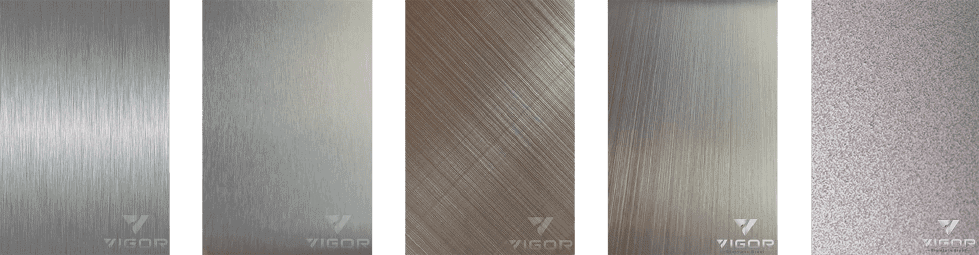
2. Popular Stainless Steel Cladding types used on buildings
Textured/Patterned cladding
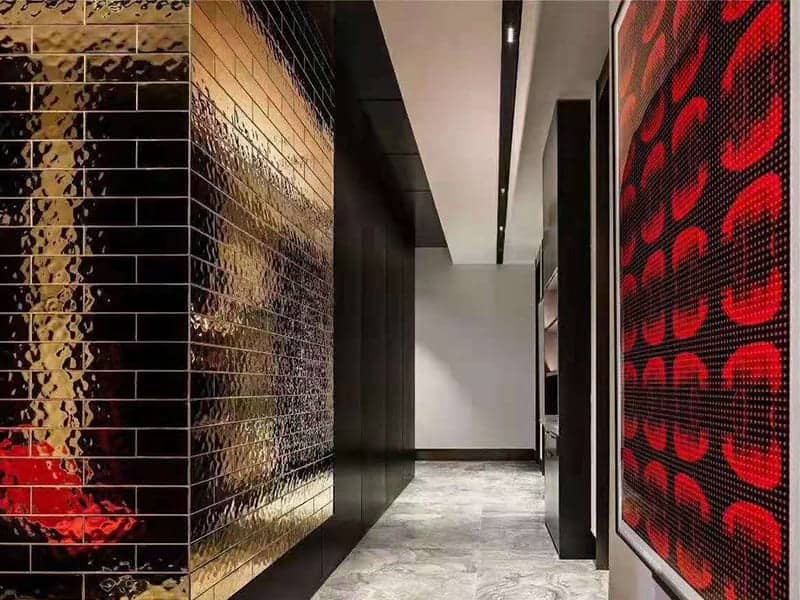
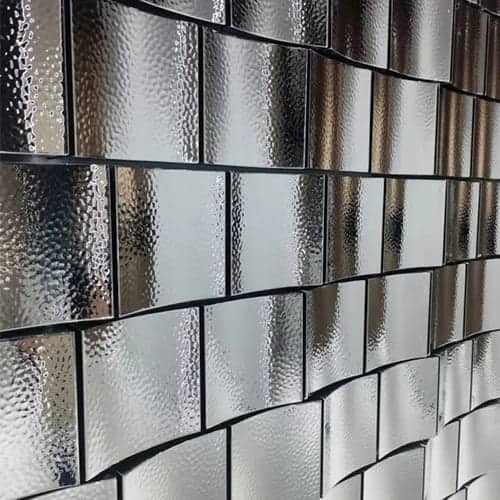
This type of cladding is made from stainless sheet panels that have been treated to create a three-dimensional appearance, which can be achieved through a variety of processes, such as embossing, stamping, and etching. Water ripple stainless steel sheet is one of the most popular textured claddings these years, including medium and large water wave. It can be chosen in 0.5-3.0mm thickness depending on the project.
Mirror-polished cladding
Mirror-polished sheet cladding is that of sheets polished to a reflective finish, including 8K, 10K, and 12K. This type of cladding is ideal for applications where a high level of reflectivity is desired.

Brushed cladding
Brushed sheet cladding is made from stainless sheets that have been brushed to create a matte finish including hairline and satin. This type of cladding is often used in applications where a more subtle and matt look is desired.

Colored cladding
If you need a specific color in your project, colored stainless sheets might be a good choice for you. The coloring can be available via PVD, electroplating, or nano-painting. Usually, the surface is either mirror polished or brushed before color coating.

Perforated cladding
This type of cladding is made from stainless sheets that have been punched with a series of holes. These holes can be round, square, or any other shape, and are typically evenly spaced across the surface of the material. Perforated cladding is often used in applications where a high level of ventilation is desired.

Overall, the type of stainless steel cladding that is most suitable for a given project will depend on a variety of factors, including the location, the intended use, and the specific requirements of the project. No matter which type of stainless steel cladding you choose, it can provide a unique and modern look to your building project.

3. Is stainless steel cladding suitable for use in hot weather conditions?
Yes, stainless cladding is suitable for use in hot weather conditions.
Firstly, stainless steel offers superior rust resistance and has a high melting point, making it a great choice for all climates.

Secondly, it is resistant to UV rays and will not corrode or fade in hot weather.
Thirdly, its low thermal conductivity prevents heat transmission. The mirror polished surface is also highly reflective. This makes stainless steel a cool metal for use in hot climates, as it helps to keep buildings cool and comfortable even in extreme heat. Metal roofs or roofing also provide protection from the heat, as they reflect away much of the sun’s rays.
Finally, its superior strength and durability mean it is ideal for use in long-term projects.
4. Is it too hot to touch stainless steel cladding in summer?
It is possible for the surface of stainless steel cladding to become too hot to touch in summer, like the metal roof, especially if it is exposed to direct sunlight for extended periods of time. However, the exact temperature at which the surface of the cladding will become will depend on a variety of factors, including the specific type of stainless steel that is used, the ambient temperature, and the amount of direct sunlight that the cladding is exposed to.

To ensure safety and comfort, it is recommended that the surface of stainless steel cladding not exceed a temperature of 100°F (38°C). If exposure to sunlight cannot be avoided, then additional measures such as insulation, air ventilation, watering, or shade can be taken to help reduce the amount of heat absorbed by the cladding.
For instance, planting a big tree or installing water spray systems behind the top of the cladding can help dissipate direct sunlight.

Additionally, regular inspection and maintenance should be carried out to ensure that the cladding does not become too hot for use. Overall, stainless steel is suitable for use in hot weather conditions if proper precautions are taken.
5. What are the benefits of using stainless steel cladding on a building’s exterior?
The use of stainless steel cladding on a building’s exterior has many benefits.
- It is able to withstand extreme weather conditions such as high temperatures and heavy rainfall. This makes it an ideal choice for buildings located in harsh climates with varying weather patterns.
- The sleek look of stainless steel also makes it an attractive choice of material for the exterior of a building. It is an eye-catching material that can draw attention to the structure while at the same time retaining a timeless aesthetic.
- Lastly, stainless cladding is relatively easy to install and maintain. It can be installed quickly if you choose less than 1mm thickness, making it a cost-effective solution for cladding a building’s exterior.
- The material with professional surface treatment requires little maintenance, meaning that owners can rest assured that the stainless steel will continue to look great long into the future.

6. Are there any drawbacks to using stainless steel cladding?
While there are many benefits to using stainless steel cladding, there are also a few potential drawbacks to consider. Some of these drawbacks include:
- Cost: Stainless steel is a relatively expensive material when compared to other types of materials, such as wood, aluminum, or vinyl siding, so using it for cladding can be costly, especially when a big thickness is required for your project.
- Weight: Stainless steel has a high density compared to iron or aluminum, so it can be a little challenging to install and may require additional structural support.
- Reflectivity: Stainless steel is a highly reflective material, so it can cause glare and reflection issues in certain environments.
- Maintenance: It is possible that the color of the cladding would fade over time, so we recommend choosing an original color with mirror polished or brushed finishes to be more suitable for long-term use considering maintenance.
Overall, while stainless steel cladding has many benefits, it is important to consider these potential drawbacks before deciding if it is the right choice for your building’s exterior.
7. Conclusion

Overall, stainless steel cladding is suitable for use in the summertime if it does not face direct sunlight the whole day or it is not easy for children to touch. Properly installed cladding with adequate ventilation or shade can ensure that your building’s exterior walls stay cool during the warmer months without compromising on aesthetic appeal.
Additionally, there are several benefits associated with using stainless steel cladding such as its durability, ability to withstand wear and tear, ease of maintenance and cleaning, fire-resistance properties as well as recyclability. With these benefits in mind, stainless steel cladding is an excellent choice for any building project that requires a high-quality finish.

VIGORSS is a leading manufacturer of various stainless steel claddings. Contact VIGORSS today to learn more about our products, and services or get free samples. We would be happy to help you find the perfect solution for your needs. Please feel free to e-mail us at [email protected] or call us at 0086-13715484114. We look forward to helping you with your next project!


