

Understanding Stainless Steel Composition and Characteristics
Stainless Steel Grades
Stainless steel is a blend of iron, nickel, chromium, and other components. This material offers different levels of corrosion resistance based on its grade. The most popular grade is 304, which contains 18% chromium and 8% nickel. The 316 grade includes additional molybdenum for enhanced corrosion protection. The choice between these grades depends on the specific application’s demands.

Durability and Aesthetic Appeal
One key feature of mirror stainless steel sheets with anti-fingerprint(AFP) is their exceptional durability. They can withstand harsh environments without losing their shine or structural integrity. Moreover, they provide an elegant finish that enhances the visual appeal of various settings.


Guide to Stainless Steel Finishes and Their Importance
Importance of Surface Finishes
Brushed and mirror are the two main surface finishes you’ll find with stainless steel sheets. The finish not only affects how the material looks but also impacts its resistance to corrosion and ease of cleaning.
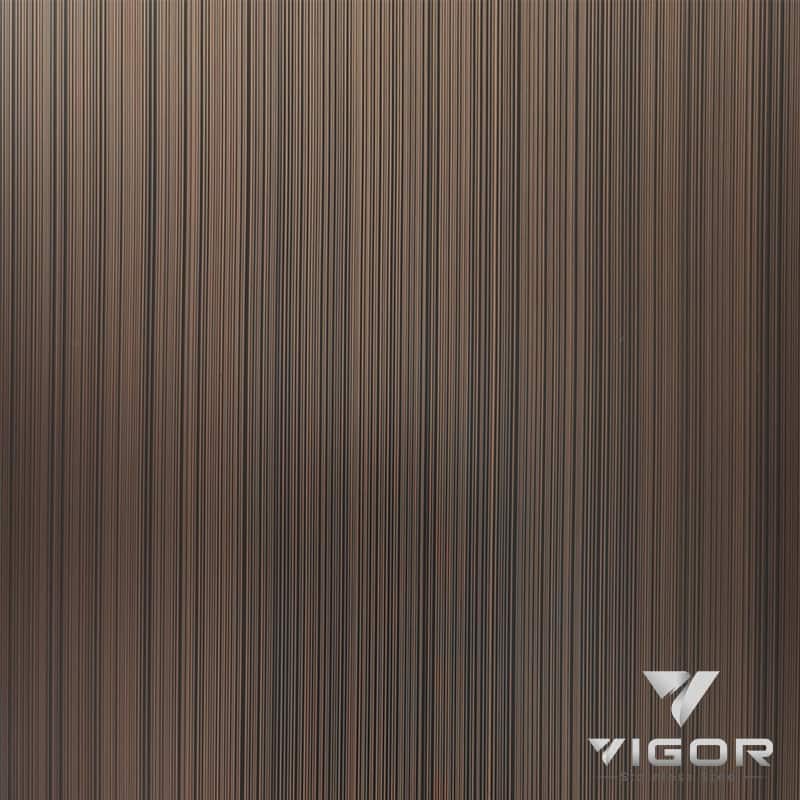


Finishes like brushed (including hairline and satin) provide different textures and appearances. For instance, a mirror stainless steel sheet reflects light, creating a shiny surface that is smooth to the touch. On the other hand, brushed finishes have a more matte look with fine lines or grains visible on the surface.

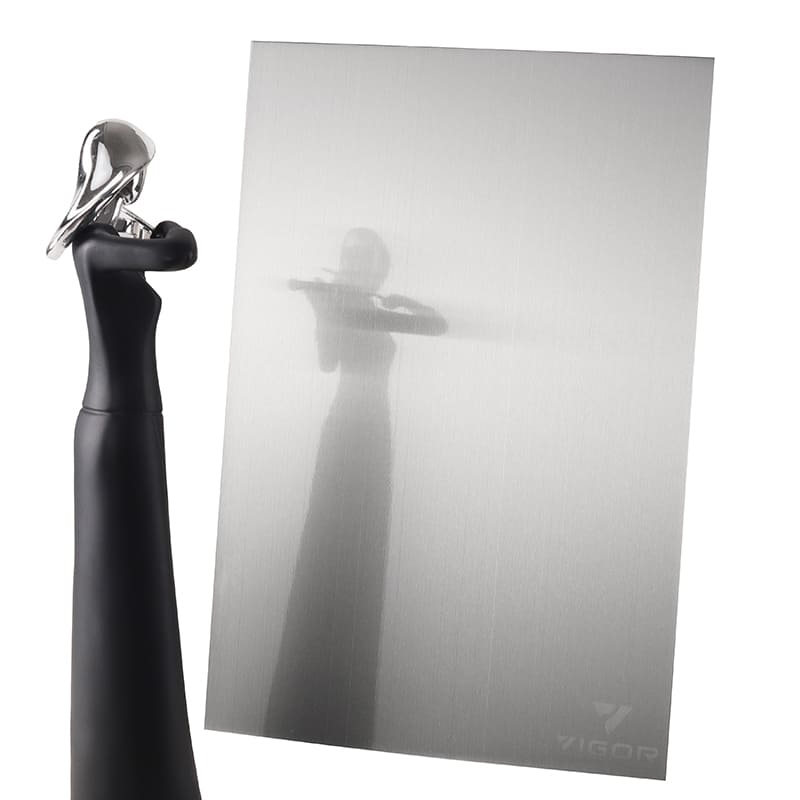

Choosing the appropriate finish is crucial as it can determine whether your stainless steel project will be resistant to rust in corrosive environments or easy to maintain in terms of cleanliness. For example, going with a mirror finish without AFP for kitchen gadgets can make them look great but be a pain to keep clean.

Achieving the Perfect Mirror Finish: Methods and Techniques
Types of Mirror Stainless Steel Sheets
Mirror stainless steel sheets come in various types based on their surface gloss levels. The most common ones are general mirror (8K), fine mirror (10K), and super mirror (12K). Among these, the ordinary 8K is popular due to its cost-effectiveness.
Mirror stainless steel sheets can have a reflective surface on one or both sides. They are created from cold-rolled 2B-finish bright annealed stainless steel sheets through polishing processes like machine polishing for 8K and 10K finishes, while manual polishing is required for achieving a super mirror finish at a higher cost.
Production Process and Quality Control
The production process of mirror stainless steel sheets includes cleaning, coarse grinding, further grinding, cleaning again, drying, and film lamination. These steps ensure that the final product meets the desired standards of quality control measures set in place to achieve a flawless reflective surface.
Benefits and Applications of Mirror Finish Stainless Steel
Versatile Applications
Mirror stainless steel sheets are widely used in interior design, architectural projects, and the automotive industry. They offer a reflective surface that adds a touch of elegance to various applications, such as wall panels, elevator doors, and furniture. The sleek mirror finish contributes to a modern and sophisticated look, enhancing the aesthetic appeal of spaces.
Mirror polishing on stainless steel can be combined with other surface finishes like PVD coating, brushing, vibration, sandblasting, etching, or stamping. This versatility allows for creative designs that can transform living spaces through color variations and textures. For instance, when paired with PVD coating techniques or etching methods, mirror finish stainless steel can create unique art installations or stylish household appliances.


Reflective Nature
The reflective nature of mirror stainless steel not only provides an aesthetically pleasing appearance but also serves functional purposes by enhancing light reflection within interiors. It creates an illusion of more space due to its ability to reflect light effectively. In outdoor applications like signage or art installations where visibility is crucial, mirror finish stainless steel ensures clarity while adding a touch of sophistication.
Tips for selecting mirror stainless steel sheets
Available Specifications

Mirror stainless steel sheets come in various sizes and thicknesses. When choosing, consider the specifications that best suit your project requirements.
Consider whether you need an 8k, 10k, or 12k reflective type based on the level of reflectivity needed for your specific application.
Protective Film Options
Decide on the type of protective film required for your mirror stainless steel sheet. Choose between a common PVC film or a laser PVC film based on your fabrication needs.
If you’re thinking about doing laser cutting or other fabrication work, make sure to go for a laser PVC film. The regular PVC film might come off when you’re using the laser cutter.


Maintenance and Care for Mirror Stainless Steel Sheets
Cleaning Methods
To maintain the mirror stainless steel sheet‘s pristine appearance, use mild soap and water regularly. Avoid harsh cleaners or abrasive tools that could damage the surface. By cleaning gently with these methods, you can preserve the mirror finish effectively.
Regular cleaning is essential to ensure the longevity of stainless steel sheets. Abrasive cleaners or tools might leave scratches on the surface, diminishing its reflective quality over time. Opting for gentle cleaning solutions will help retain the shine and gloss of your mirror stainless steel sheets.
Preventive Care Tips
When caring for your stainless steel sheet, consider preventive measures like using soft cloths or sponges during cleaning to prevent scratches. Avoid contact with sharp objects that could potentially mar the mirror finish. These simple precautions can significantly extend the lifespan of your mirror stainless steel sheets.
Closing Thoughts
You’ve delved into the world of mirror stainless steel sheets, understanding their composition, finishes, applications, and maintenance. Now, armed with knowledge on achieving that perfect mirror finish and the benefits it brings, you’re ready to make informed choices for your projects. Remember, selecting the right stainless steel sheet isn’t just about looks; it’s about durability and functionality too. So, next time you’re on the hunt for mirror stainless steel, consider all aspects to get the best fit for your needs.
In a world where details matter, choosing the right mirror stainless steel sheet can elevate your design game. Whether it’s for a sleek kitchen backsplash or a stunning architectural feature, the mirror finish speaks volumes. So, go ahead, pick wisely, and let your projects shine!
Contact us today for free samples today! Please feel free to reach out to us at [email protected] or call us at 0086-13715484114.
Frequently Asked Questions
1. What are the main types of mirror stainless steel sheets (8K, 10K, 12K)?
Mirror stainless steel sheets are usually divided into general mirror (8K), fine mirror (10K), and super mirror (12K).
- 8K: standard mirror, clear reflection and most cost-effective.
- 10K: higher gloss and flatter reflection, used when you want a more premium look.
- 12K: very sharp, “super mirror” reflection, usually for high-end feature areas or small decorative pieces where the surface will be viewed up close.
2. How do I choose between 8K, 10K, and 12K for my project?
Think about viewing distance, budget, and application:
- For most wall panels, elevator doors, and ceilings, 8K is usually enough and more economical.
- For lobbies, hotel receptions, and decorative furniture fronts where people stand close, 10K gives a finer, more uniform reflection.
- For small details, signage, and luxury elements, 12K is best when you want the sharpest mirror and have a higher budget.
3. Should I choose 304 or 316 mirror stainless steel?
- 304 is the standard choice for most indoor projects: wall cladding, elevator interiors, ceilings, furniture, and signage.
- 316 / 316L is better for outdoor, seaside, or harsh environments where there is salt, heavy pollution, or strong chemicals. It costs more but offers better corrosion resistance and longer service life outdoors.
4. Do I need mirror polishing on one side or both sides?
- Single-sided mirror is enough for wall panels, elevator door skins, ceilings, and furniture fronts where only one face is visible.
- Double-sided mirror is useful for free-standing elements like art pieces, railings, screens, or partitions that can be seen from both sides.
Choosing single-sided mirror where possible will save cost without affecting appearance.
5. What thickness is suitable for mirror stainless steel sheets?
Typical decorative thicknesses range from 0.5–3.0 mm:
- 0.5–0.8 mm: small interior panels, signage, furniture inlays.
- 0.8–1.2 mm: common for elevator doors, interior wall panels, and ceiling panels.
- 1.5–3.0 mm: larger panels, doors, or areas where you need more rigidity and less distortion in the reflection.
Thicker sheets help reduce “wavy” reflections on large, very flat surfaces.
6. What sheet sizes should I consider for mirror stainless steel?
Standard sizes often include 1000 × 2000 mm, 1219 × 2438 mm, 1219 × 3048 mm, and 1500 × 3000 mm.
When selecting size, consider:
- How panels will be cut and joined on site.
- Transport and handling (very long sheets are harder to move and more likely to bend).
- The max length you really need; many projects find around 4000 mm already close to the practical limit for shipping and installation.
7. What’s the difference between common PVC film and laser PVC film?
Both films protect the mirror surface during fabrication, but:
- Common PVC film is fine for cutting, bending, and general fabrication.
- Laser PVC film is designed to stay firmly attached during laser cutting, so it doesn’t peel, melt, or burn around the cut line as easily.
If your project involves a lot of laser cutting, always choose laser protection film.
8. Can mirror stainless steel be combined with other finishes and colors?
Yes. Mirror polishing can be combined with:
- PVD coloring (gold, black, champagne, rose gold, etc.).
- Brushing (mirror + hairline patterns).
- Sandblasting (mirror + matte bands or areas).
- Etching or stamping (patterns and graphics on a mirror background).
These combinations add depth and texture, and can also help hide minor scratches in high-touch areas.
9. How should I handle mirror stainless steel sheets to avoid damage?
Mirror sheets are very sensitive to scratches. When handling:
- Always keep the protective film on until final installation.
- Use clean gloves and avoid sliding sheets against each other.
- Store panels vertically or on a flat, clean surface with soft padding.
Good handling during cutting, bending, and transport is critical to keep the mirror surface flawless.
10. How do I clean and maintain mirror stainless steel sheets?
Use mild soap or neutral detergent with clean water and a soft cloth.
- Wipe gently (for brushed combination finishes, wipe along the grain).
- Avoid abrasive pads, steel wool, and strong acids/alkalis.
- Remove fingerprints and smudges regularly so they don’t build up.
With simple, regular cleaning, the mirror finish will keep its gloss for many years.
11. Are mirror stainless steel sheets suitable for exterior façades?
Yes, if you choose the right grade (usually 304 or 316) and design the sub-structure and joints properly. Mirror stainless steel can be used on exterior facades, canopies, columns, and signage. For coastal or very harsh environments, 316/316L plus good detailing and regular cleaning will give better long-term performance.
12. How can I reduce distortion and “wavy” reflections on large mirror panels?
To get flatter reflections on large areas:
- Choose a thicker sheet within your budget.
- Use a rigid, well-leveled backing structure behind the panels.
- Avoid very long single pieces if transport and handling are difficult; instead, design reasonable panel sizes and joint lines.
Good coordination between design, material selection, and installation will greatly improve the final mirror effect.


